North Korea on Wednesday denied South Korea's announcement that a North Korean mine likely caused a recent blast inside the Demilitarized Zone (DMZ), accusing Seoul of fabricating the findings and warning of "immediate and merciless" retaliation if its troops are fired upon.
Kim Yo-jong, the powerful sister of North Korean leader Kim Jong-un, issued the warning in a statement after the South Korean Joint Chiefs of Staff announced Monday that North Korean land mines were "highly likely" to have caused the explosion on Sept. 21 that left three South Korean soldiers injured.

"What should not be overlooked is the fact that the armed gangsters of the ROK are now cooking up the groundless results and 'justifying their conduct' for political and military provocation against the DPRK, openly talking about 'reasonable and corresponding enforcement of measures,'" Kim said in a statement carried by the Korean Central News Agency.
DPRK stands for North Korea's official name, the Democratic People's Republic of Korea, while ROK is the acronym for South Korea's official name, the Republic of Korea.
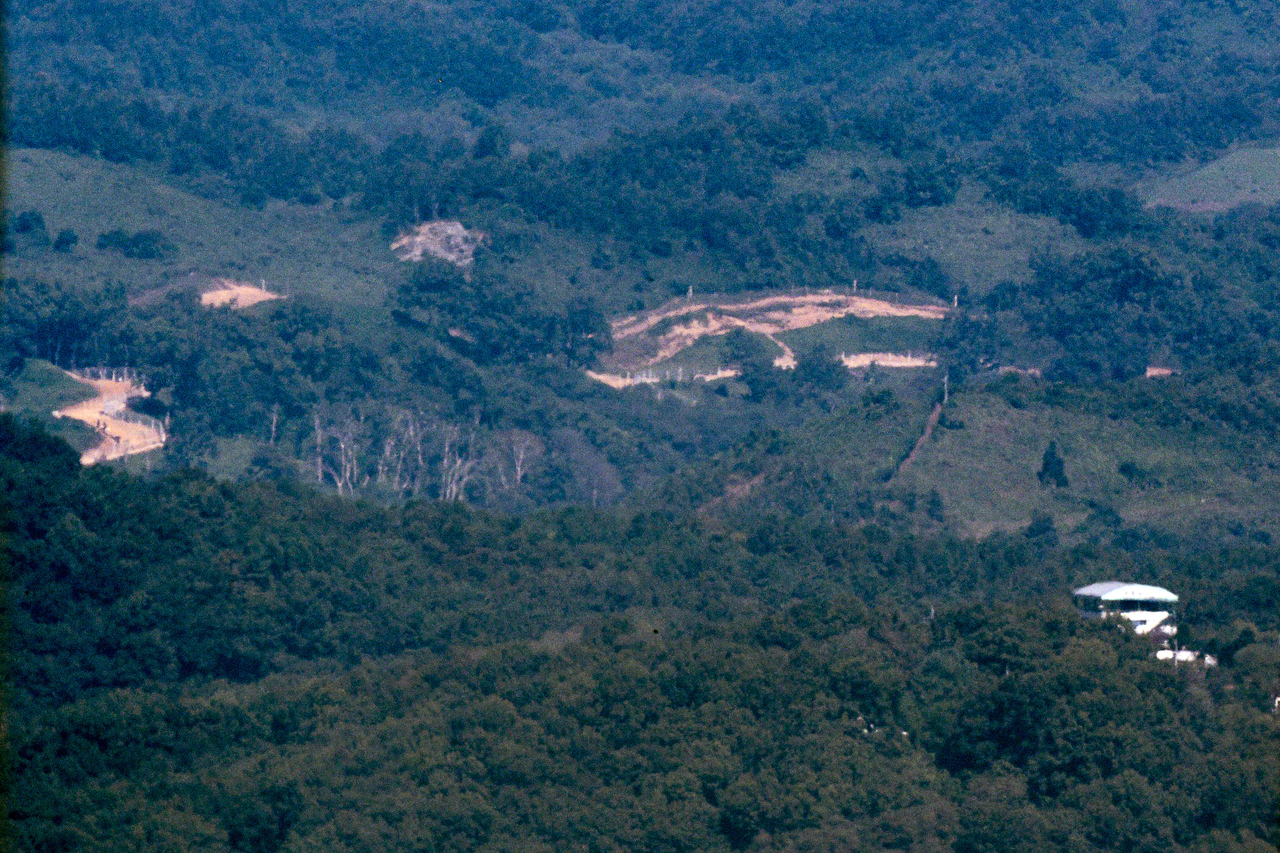
Kim claimed the North Korean military began building barriers in the southern border areas two years ago, saying the work is "only a thorough exercise of sovereignty unrelated with any military purposes."
She also stressed that North Korean soldiers "have never crossed the border" while accusing the South Korean military of threatening its soldiers with warning broadcasts and shots.
"If the ROK military gangsters fire at our soldiers carrying on the permanent project for the southern border, not warning shots, our border units will take immediate and merciless retaliate attack," she said.
Kim further warned that any continued "malicious accusation and provocation" in the border region could lead to "a situation that has not yet been experienced."
At least four North Korean mines, including the two that exploded, were believed to have been placed at the DMZ blast site. After an on-site inspection Tuesday, the JCS said it found a North Korean land mine near the explosion site.
Defense Minister Kang Shin-chul told lawmakers Tuesday that the mine discovered Tuesday was believed to have been planted, rather than being a lost or stray mine, and was likely linked to Pyongyang's efforts to fortify its border.
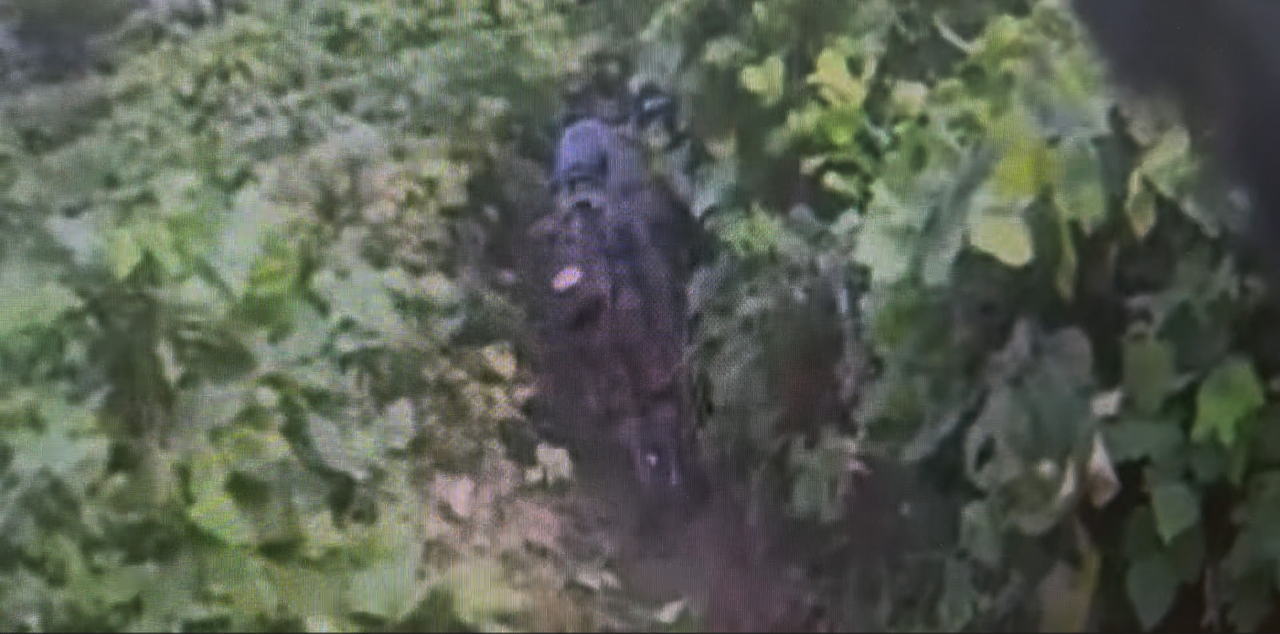
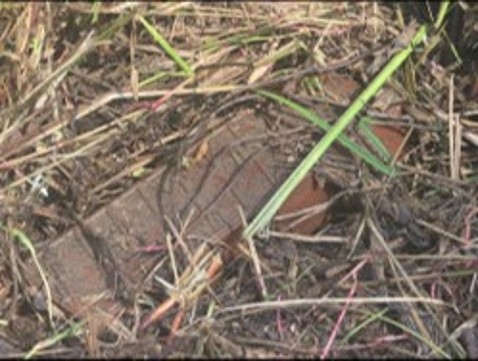
Kang noted that Pyongyang appeared to have planted mines at "several locations" south of the Military Demarcation Line, calling it a clear violation of the Armistice Agreement that ended the 1950-53 Korean War and saying Seoul would take "corresponding measures" in stages.
The South Korean military and the UN Command conducted an on-site inspection in the DMZ earlier this week and are expected to announce their final findings after additional analyses. (Yonhap)